The comparison
Breading, seasoning, and what you pay for it
Read the four columns top to bottom on a phone, or across left to right on a wide screen. Nothing here is a score, because a score would hide the part that matters: which trait you actually want.
Breading texture and crunch
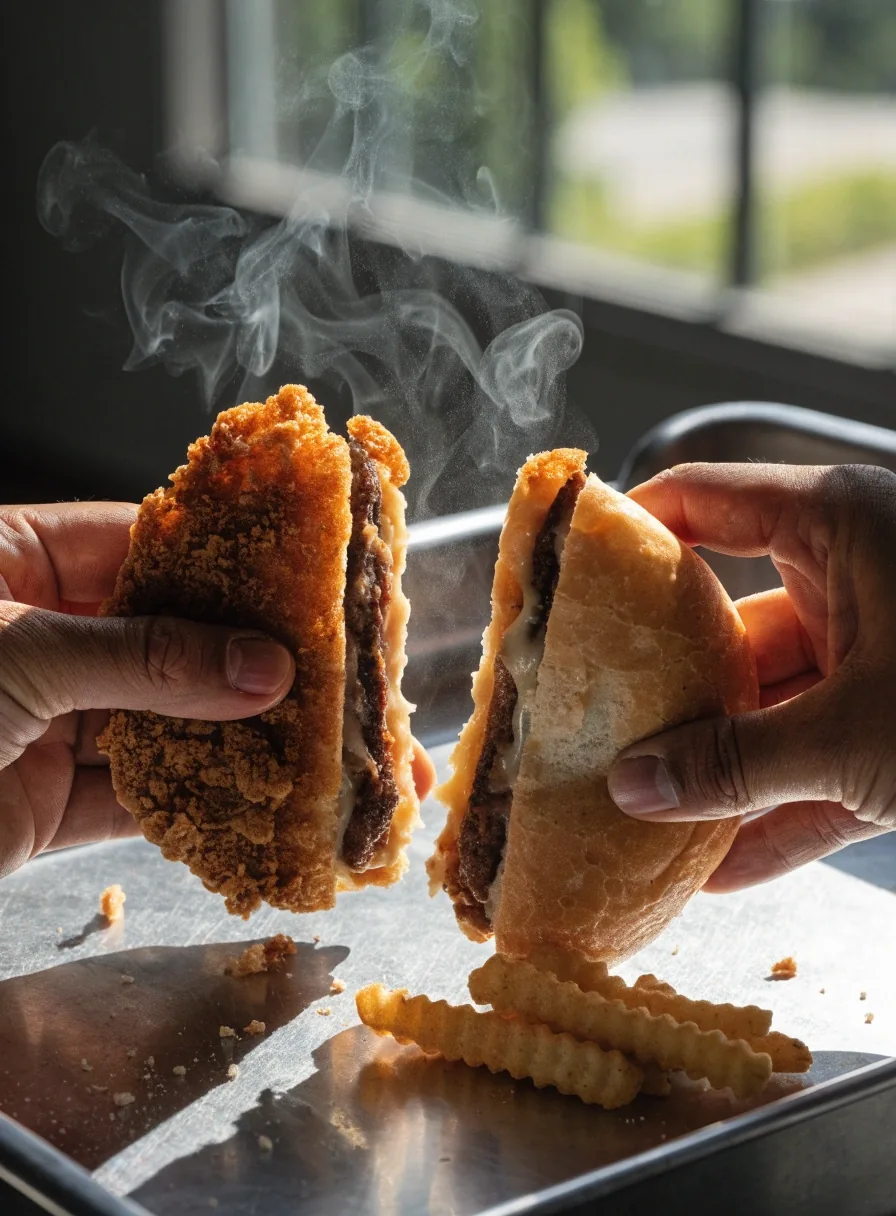
Popeyes builds the loudest crust
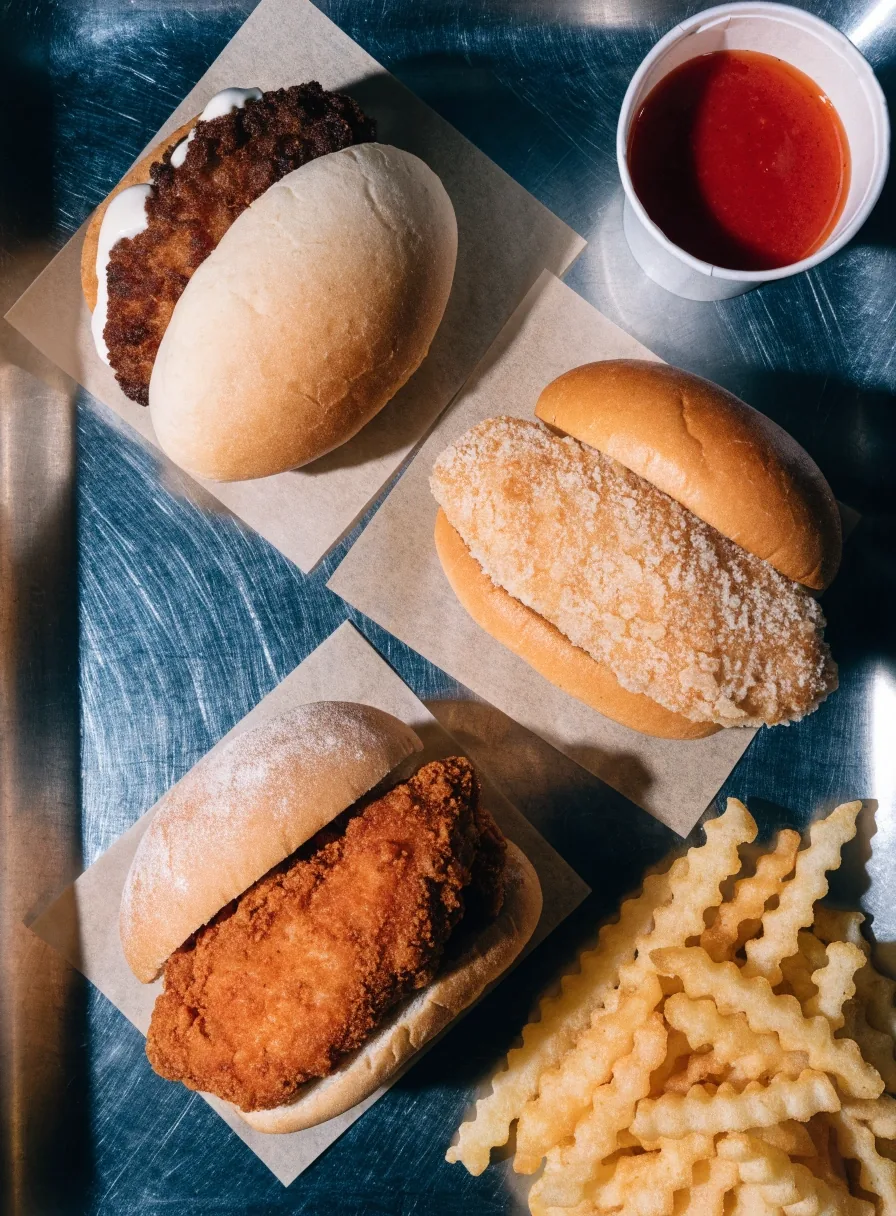
A heavier breading with visible ridges and irregular edges. That produces the loud crunch and holds up under sauce, but it also absorbs sauce and softens over time, which matters if you are not eating immediately.
Craggy, seasoned, heavy
Breading texture and crunch
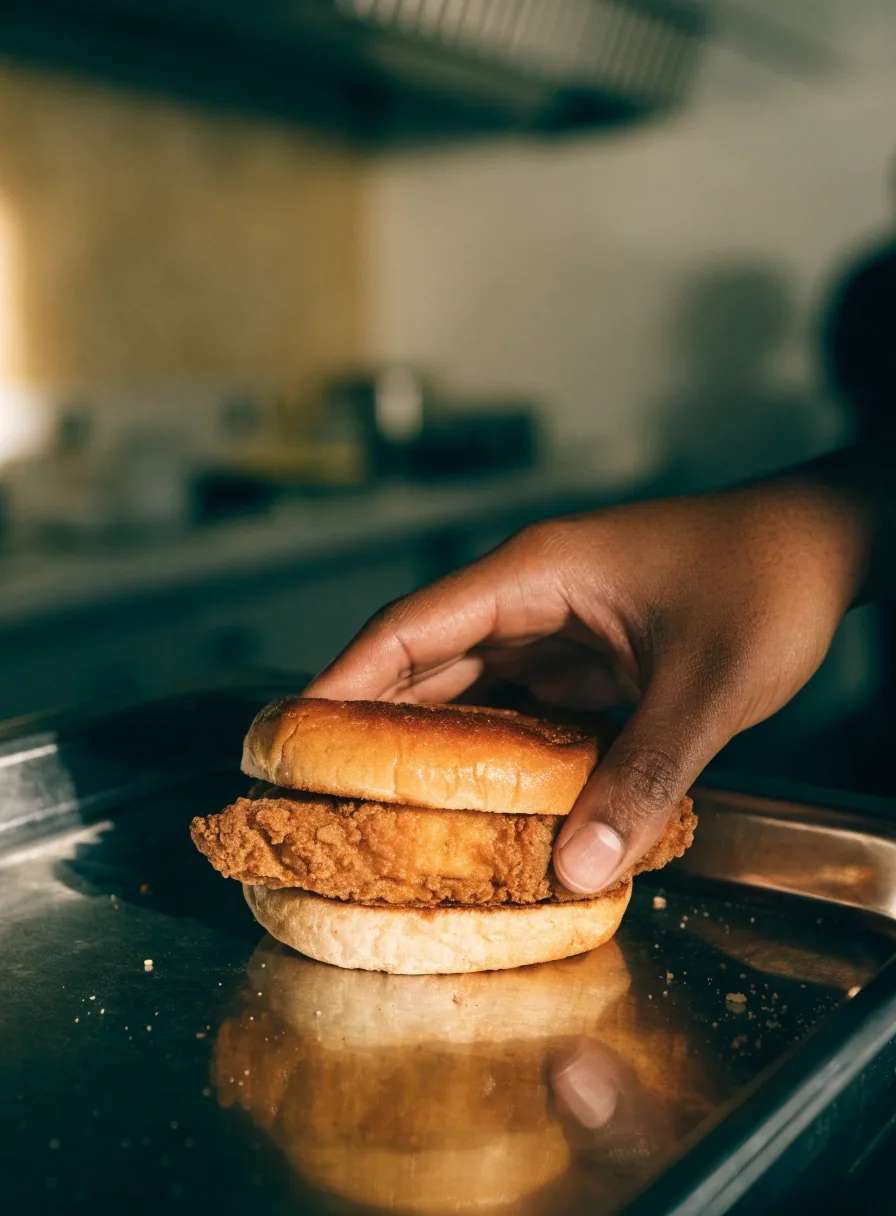
Chick-fil-A keeps it even and light
A thinner, more uniform breading that is crisp but less aggressive. It holds its texture longer in a delivery bag, though it offers less if you like the sensation of a hard crunch in the first bite.
Thin, even, consistent
Breading texture and crunch
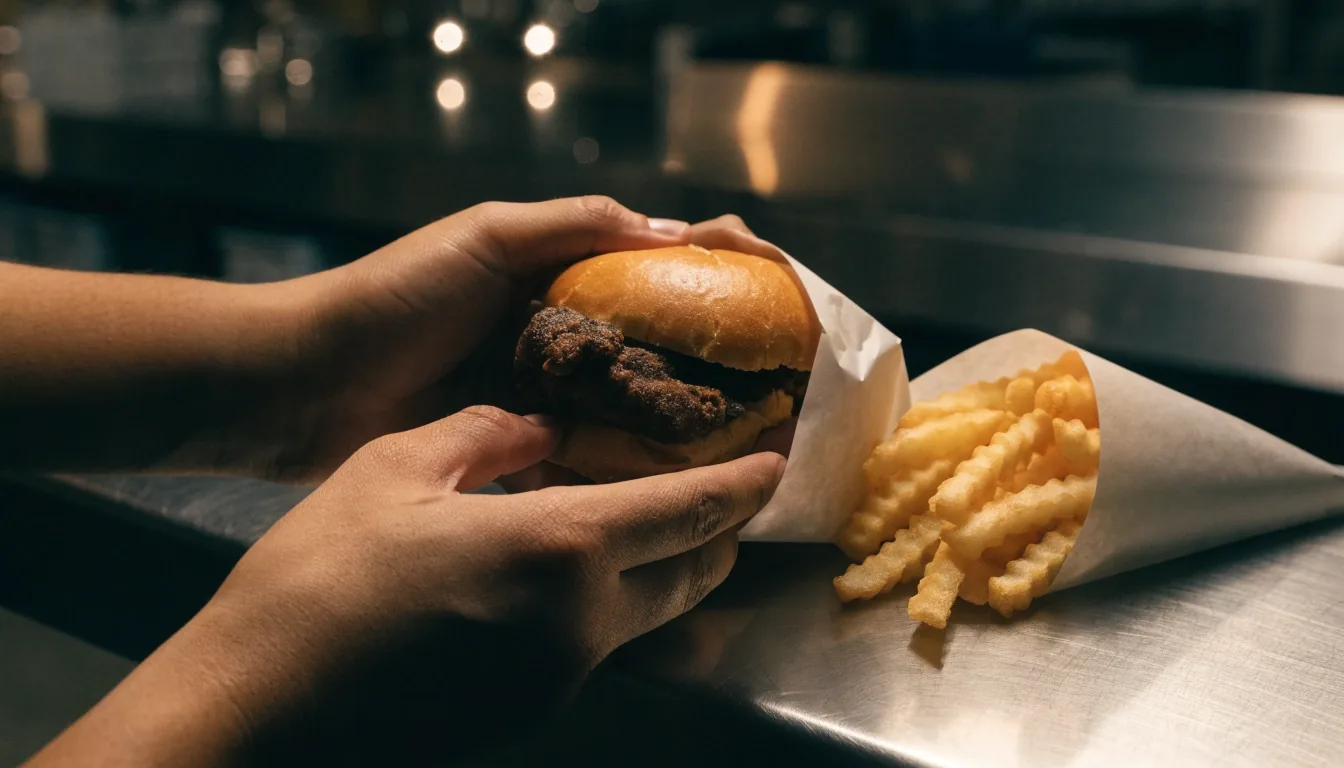
Shake Shack sits in between
Crisp and moderately textured, closer to Chick-fil-A than to Popeyes in weight. The chicken itself is the most delicate of the three, so the texture is doing less covering work than the other two.
Moderate, crisp, refined
Seasoning and heat level
Where the heat actually comes from
Popeyes offers a dedicated spicy profile that is genuinely hot, which is why people who want heat keep coming back to it. Shake Shack's chicken sandwich is seasoned but not spicy by default. Chick-fil-A's default sandwich is mild, with the heat coming from sauces rather than the breading itself. Adding hot sauce to a mild sandwich gets you partway there, but not all the way.
Sauce heat versus breading heat
Value and what you get for the price
Price per bite, not price on the board
Chick-fil-A is generally the most affordable of the three for the sandwich alone, which is part of why it is so widely ordered for lunch. Shake Shack sits at the premium end, consistent with its positioning as a burger chain with higher ingredient costs. Popeyes sits between them, with a sandwich that is larger and heavier than either.
Price-per-bite is the honest metric here, and it favors Popeyes on volume and Chick-fil-A on cost. Shake Shack asks you to pay more for a smaller, more refined sandwich, which is a fair trade if that is what you want and a poor one if you are ordering to fill up cheaply.
Menu prices vary by location
Sauce, pickles, and the build
Fixed build versus open build
Shake Shack's build is the most customized of the three, with sauce choices and add-ons that change the sandwich meaningfully. Chick-fil-A's build is nearly fixed, with pickles as the signature element and sauces added on the side. Popeyes' build sits in the middle, with a simple topping set and the spicy option as the main variable.
That build difference affects delivery. A sandwich with sauce applied in the kitchen soaks during travel, so if you want the texture to hold, order sauce on the side when the app allows it.
Side sauce keeps the crust
How each sandwich holds up in delivery
The twenty minutes after pickup
Delivery is where the comparison gets concrete. Popeyes' heavy breading softens meaningfully during travel, though its crunch survives longer than a thinner breading would suggest because there is more of it. Chick-fil-A's lighter breading holds structure well, and the chain's packaging is designed for takeout, which helps. Shake Shack's sandwich travels well because the potato bun keeps the structure intact, though the chicken itself is the most delicate of the three.
If you are ordering delivery and want the sandwich to taste close to what it tastes like in the restaurant, Chick-fil-A has the most consistent setup. If you are eating immediately, the difference narrows and taste becomes the deciding factor.
Order timing beats chain choice
Read the whole guide
Where to go next
The menu guide covers the wider Shake Shack lineup if you are ordering a sandwich alongside a burger or a shake. The chain notes explain how the fast-casual format changes what reaches your table.